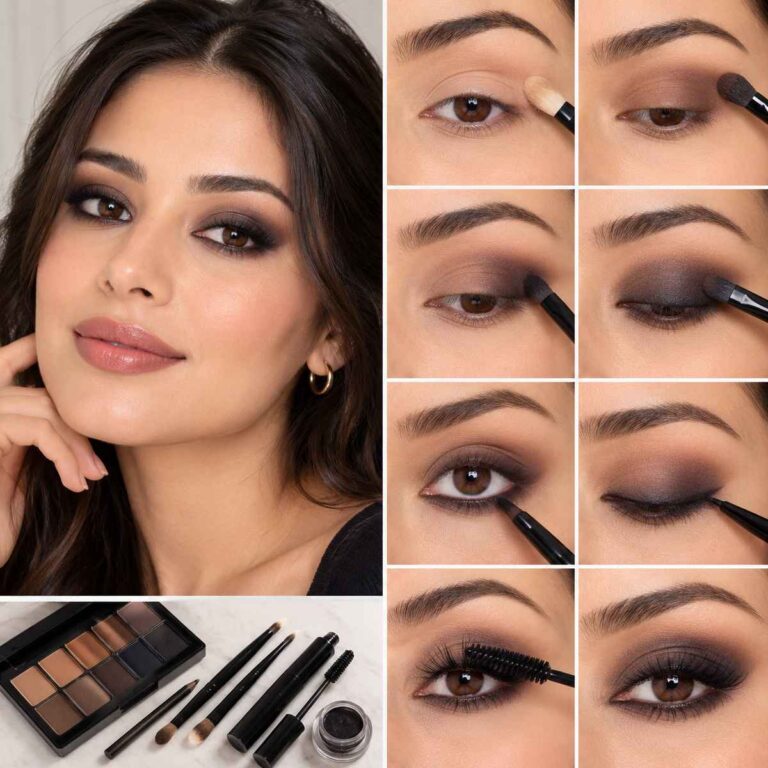
Everyone wants glowing, healthy-looking skin, but the sheer number of products, trends and conflicting advice available today can make building an effective skin care routine for glowing skin feel overwhelming. Ten-step Korean routines, viral serums, expensive creams and constantly changing trends often distract from what dermatologists actually recommend: a consistent, simple routine built around a few genuinely effective steps, tailored to your specific skin type.
This guide breaks down a complete skin care routine from morning to night, explains each step and why it matters, offers guidance for different skin types, covers diet and lifestyle factors that influence skin health, and highlights common mistakes that quietly sabotage good skin. This article is for general information and does not replace professional dermatological advice, especially if you have persistent skin concerns.
Understanding What “Glowing Skin” Really Means
Before diving into products, it helps to understand what glowing skin actually looks like and how it is achieved. Genuine skin glow generally comes from:
- Proper hydration, both from skincare products and adequate water intake
- A healthy, functioning skin barrier that retains moisture and protects against irritants
- Good circulation, often supported by exercise, gentle massage and adequate sleep
- Regular, gentle exfoliation that removes dead skin cells without over-stripping the skin
- Consistent sun protection, which prevents dullness, uneven tone and premature ageing
- Overall health, including diet, sleep and stress levels, all of which show up on the skin over time
Glow is not about masking skin with heavy makeup or chasing an unrealistic, filtered ideal. It is about supporting your skin’s natural health so it looks radiant on its own.
Step 1: Identify Your Skin Type
Understanding your skin type is the foundation of an effective routine, since the wrong products for your skin type can cause more harm than good.
- Oily skin: Appears shiny, especially in the T-zone, and is prone to enlarged pores and breakouts.
- Dry skin: Feels tight, may appear flaky or rough, and can look dull without adequate moisture.
- Combination skin: Oily in the T-zone (forehead, nose, chin) but normal or dry on the cheeks.
- Sensitive skin: Reacts easily to new products with redness, itching or irritation.
- Normal skin: Generally balanced, without excessive oiliness or dryness.
You can also have skin concerns layered on top of your base type, such as acne-prone, pigmented or ageing skin, which may require additional targeted steps.
The Morning Skin Care Routine
A morning routine focuses on protecting your skin throughout the day, particularly from sun exposure and environmental damage.
Step 1: Cleanse Gently
Use a mild, hydrating cleanser suited to your skin type. If your skin is not particularly oily overnight, a simple rinse with lukewarm water may be sufficient for some people in the morning, while others prefer a gentle cleanse to remove any overnight product buildup.
Step 2: Apply a Toner or Essence (Optional)
A hydrating, alcohol-free toner can help balance skin pH and prep it for the next steps. This step is optional and not essential for everyone, but many people find it adds an extra layer of hydration.
Step 3: Apply a Vitamin C Serum (Optional but Popular)
Vitamin C is a well-regarded ingredient for brightening skin tone, supporting collagen production and providing some antioxidant protection against environmental damage. Apply a few drops and let it absorb before moving to the next step. Not everyone needs this step, but many people find it beneficial for evening out skin tone over time.
Step 4: Moisturise
Choose a moisturiser suited to your skin type: lightweight gel-based formulas for oily skin, richer creams for dry skin, and balanced lotions for combination or normal skin. This step is essential regardless of skin type, since even oily skin needs hydration to function properly.
Step 5: Apply Sunscreen
This is arguably the single most important step in any skin care routine. Use a broad-spectrum sunscreen with at least SPF 30, applied generously, every single day, regardless of weather or whether you plan to stay indoors near windows. Sun protection is essential for preventing pigmentation, premature ageing and long-term skin damage.
The Evening Skin Care Routine
Evening routines focus on removing the day’s buildup and supporting skin repair overnight.
Step 1: Double Cleanse (If Wearing Makeup or Sunscreen)
Start with an oil-based cleanser or micellar water to dissolve makeup and sunscreen, then follow with your regular gentle, water-based cleanser to thoroughly clean the skin. If you did not wear makeup or heavy sunscreen, a single gentle cleanse is usually sufficient.
Step 2: Exfoliate (Two to Three Times a Week)
Gentle exfoliation removes dead skin cells that can make skin look dull. Choose either a mild physical exfoliant or a chemical exfoliant containing ingredients like AHA or BHA, depending on your skin’s tolerance. Avoid daily exfoliation, which can damage the skin barrier and cause irritation, redness or increased sensitivity.
Step 3: Apply Treatment Serums (If Needed)
This is where targeted ingredients for specific concerns come in, such as niacinamide for oiliness and pore appearance, hyaluronic acid for hydration, or retinol for anti-ageing and texture improvement. Introduce new active ingredients one at a time and gradually, watching how your skin responds.
A note on retinol: This is a powerful, well-researched ingredient, but it can cause irritation if introduced too quickly. Start with a low concentration a few times a week, always at night, and always pair with sunscreen the next morning, since retinol can increase sun sensitivity.
Step 4: Apply Eye Cream (Optional)
If you choose to use an eye cream, gently pat a small amount around the delicate eye area to address concerns like dryness or the appearance of fine lines. This step is optional and not essential for a good routine.
Step 5: Moisturise or Apply a Night Cream
Seal in all previous products with a nourishing moisturiser or night cream. Night creams are often slightly richer than day formulas, supporting the skin’s natural repair processes during sleep.
Step 6: Apply Face Oil (Optional, for Dry Skin)
If your skin tends to be very dry, a few drops of a suitable facial oil applied as the final step can provide extra nourishment and lock in moisture.
Building a Routine for Specific Skin Concerns
For Acne-Prone Skin
- Use a gentle, non-comedogenic cleanser, avoiding harsh scrubbing that can worsen breakouts.
- Look for ingredients like salicylic acid or benzoyl peroxide in appropriate concentrations, introduced gradually.
- Avoid picking or squeezing blemishes, which can worsen inflammation and lead to scarring.
- Choose oil-free, non-comedogenic moisturisers and sunscreens.
- Consult a dermatologist for persistent or severe acne, since prescription treatments are often more effective than over-the-counter options alone.
For Pigmentation and Dark Spots
- Sunscreen is absolutely essential, since UV exposure worsens existing pigmentation significantly.
- Ingredients like vitamin C, niacinamide and gentle exfoliation can help fade pigmentation gradually over time.
- Be patient. Pigmentation typically takes several months of consistent treatment to visibly improve.
- Consult a dermatologist for stubborn pigmentation or melasma, which may require prescription treatments.
For Dry, Dull Skin
- Prioritise a rich, hydrating moisturiser and consider layering a hydrating serum with hyaluronic acid underneath.
- Avoid harsh, foaming cleansers that can strip natural oils, opting instead for cream or gel cleansers.
- Gentle exfoliation, done carefully, can help remove dead skin buildup that contributes to a dull appearance.
- Consider a humidifier in very dry climates or during winter months.
For Sensitive Skin
- Choose fragrance-free, minimal-ingredient products, and always patch test new items before full application.
- Avoid introducing multiple new products at once, which makes it difficult to identify the cause of any reaction.
- Look for calming ingredients like centella asiatica, aloe vera or oat extract.
- Consult a dermatologist if you experience frequent irritation, since this may indicate an underlying condition requiring specific treatment.
For Ageing Skin
- Sunscreen remains the single most effective anti-ageing product available, since UV damage is a primary driver of visible ageing.
- Retinol and retinoids are well-researched ingredients for supporting collagen production and improving texture over time.
- Hydrating ingredients like hyaluronic acid help maintain skin plumpness.
- Consistency over years matters far more than any single “miracle” product.
Diet and Lifestyle Factors That Support Glowing Skin
Skin care products address the surface, but overall health significantly influences how your skin looks and functions.
- Stay hydrated. Adequate water intake supports skin function, though it is not a substitute for proper topical moisturisation.
- Eat a balanced diet rich in fruits, vegetables, whole grains, healthy fats and adequate protein, which provide the nutrients skin needs for repair and renewal.
- Include antioxidant-rich foods like berries, leafy greens and nuts, which may help protect skin from environmental damage.
- Prioritise sleep. Skin repair processes are particularly active during sleep, and chronic sleep deprivation can show up as dullness and under-eye concerns.
- Manage stress, since chronic stress can contribute to breakouts and other skin concerns through hormonal effects.
- Limit excessive sugar and highly processed foods, which some research suggests may contribute to skin inflammation and breakouts in certain individuals.
- Exercise regularly, which supports circulation and overall skin health, though always cleanse thoroughly after sweating.
- Avoid smoking and limit alcohol, both of which are associated with premature skin ageing and dullness.
How to Introduce New Products Safely
- Patch test first. Apply a small amount to your inner forearm or behind your ear and wait 24 to 48 hours before applying to your face.
- Introduce one new product at a time, waiting at least a week or two before adding another, so you can identify what works and what does not.
- Start with lower concentrations of active ingredients like retinol or acids, gradually increasing frequency as your skin builds tolerance.
- Give products time to work. Most skin care ingredients take four to twelve weeks of consistent use before showing visible results.
- Stop use immediately if you experience burning, severe redness, swelling or persistent irritation, and consult a dermatologist if symptoms persist.
Common Skin Care Mistakes That Sabotage Glowing Skin
- Over-exfoliating, which damages the skin barrier and can actually cause more dullness, sensitivity and breakouts over time.
- Skipping sunscreen, which undermines almost every other step in your routine, since UV damage causes dullness, pigmentation and premature ageing.
- Using too many active ingredients at once, overwhelming the skin and increasing the risk of irritation.
- Constantly switching products, never giving any single routine enough time to show real results.
- Ignoring your neck and hands, which also benefit from the same care as your face, particularly sunscreen.
- Sleeping with makeup on, which can clog pores and contribute to breakouts and dullness.
- Using very hot water to cleanse, which can strip the skin’s natural protective barrier.
- Following trends blindly without considering whether specific ingredients or products actually suit your unique skin type and concerns.
Building a Simple, Realistic Routine
Not everyone needs or wants a ten-step routine, and that is completely fine. A simple, consistent routine can be highly effective.
Minimal morning routine: Cleanse, moisturise, sunscreen.
Minimal evening routine: Cleanse, moisturise.
Enhanced routine (when you have more time or specific concerns): Add a targeted serum, exfoliation a few times a week, and an eye cream if desired.
Consistency with a simple routine will almost always outperform an elaborate routine followed inconsistently.
When to See a Dermatologist
While a good home routine addresses general skin health, certain concerns benefit from professional evaluation:
- Persistent or severe acne that does not respond to over-the-counter treatments
- Sudden changes in moles, spots or skin texture
- Chronic redness, itching or irritation
- Signs of infection, such as swelling, pain or pus
- Stubborn pigmentation or scarring that affects your confidence
- Any skin concern that is significantly impacting your quality of life
A dermatologist can offer personalised guidance, prescription treatments and professional procedures that go beyond what over-the-counter products can achieve.
Frequently Asked Questions
How long does it take to see results from a new skin care routine?
Most skin care ingredients require at least four to twelve weeks of consistent use to show visible improvement. Be patient and avoid switching products too frequently.
Do I really need to wear sunscreen every day, even indoors?
Yes, for most people. UVA rays can penetrate windows and contribute to skin damage over time, so daily sunscreen is one of the most effective steps for maintaining healthy, glowing skin long-term.
Can diet really affect my skin?
Diet is one of many factors influencing skin health. While it is not a magic solution on its own, a balanced diet supports overall skin function alongside a good topical routine.
Is a ten-step routine necessary for glowing skin?
No. A simple, consistent routine with cleansing, moisturising and sunscreen, plus targeted treatments as needed, can be highly effective. More steps do not automatically mean better results.
How do I know if a product is causing a reaction?
Watch for redness, itching, burning, swelling or breakouts appearing after introducing a new product. Patch testing before full use helps catch reactions early.
Can I use vitamin C and retinol together?
Many people use vitamin C in the morning and retinol at night to avoid potential interactions and irritation, though some formulations are designed to be used together. When in doubt, introduce them separately and consult a dermatologist for personalised guidance.
Final Thoughts
Building an effective skin care routine for glowing skin does not require an overwhelming number of products or constantly chasing the latest trends. Focus on the fundamentals: gentle cleansing, adequate hydration, consistent sunscreen use, and targeted treatments introduced gradually based on your specific skin type and concerns.
Start simple, be patient, and pay attention to how your skin responds over time. Combine your topical routine with supportive lifestyle habits like good sleep, balanced nutrition and stress management. Genuine, healthy glow is built through consistency, not quick fixes, and your skin will reward the care you invest in it over the weeks and months ahead.
Disclaimer: This article is for general information only and is not medical advice. Consult a dermatologist for guidance specific to your skin concerns.