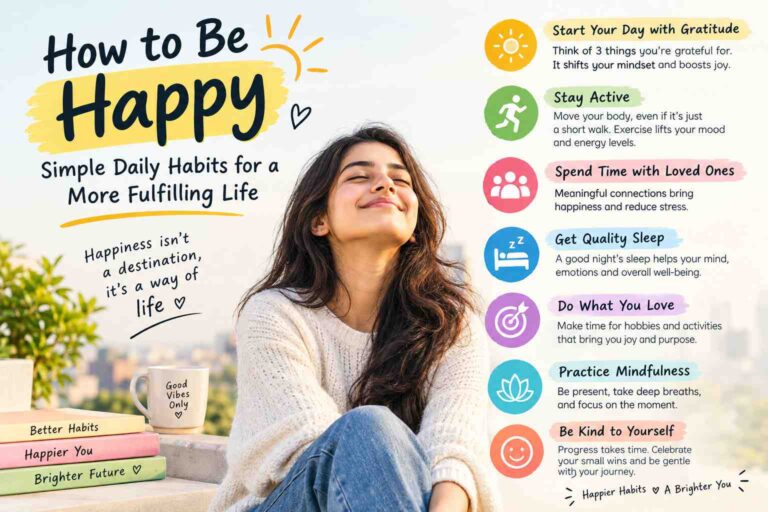
The phrase “self care” has become so widely used in recent years that it sometimes gets reduced to bubble baths and scented candles in popular imagination. While those things can certainly be relaxing, genuine self care ideas for mental health go much deeper, encompassing the daily habits, boundaries, and practices that support emotional resilience, reduce stress, and help you navigate life’s inevitable challenges with greater stability. Real self care is often less glamorous than social media suggests: it looks like getting enough sleep, setting a boundary with a difficult person, or simply taking a few minutes to breathe before reacting to a stressful situation.
This guide explores practical, evidence-informed self care practices across different areas of life, how to build sustainable habits rather than relying on occasional indulgent treats, and when self care alone is not enough and professional support becomes important. This article offers general wellness information and is not a substitute for professional mental health care.
Redefining Self Care Beyond the Surface
Genuine self care involves intentionally caring for your physical, emotional, and mental wellbeing through consistent, sustainable habits, rather than occasional indulgences meant to compensate for chronic neglect of your basic needs. It often requires making deliberate choices that may not feel immediately gratifying, such as going to bed earlier instead of scrolling, or having an uncomfortable conversation to set a necessary boundary, because the long-term benefit to your wellbeing outweighs the short-term discomfort.
Physical Self Care Practices
Physical and mental health are deeply interconnected, and caring for your body is foundational to emotional wellbeing.
Prioritize Sleep
Consistent, quality sleep is one of the most impactful things you can do for your mental health. Aim for seven to nine hours most nights, maintain a consistent sleep schedule, and create a calming pre-sleep routine that helps you wind down from the day.
Move Your Body Regularly
Physical activity has well-documented benefits for mood and stress reduction. Choose activities you genuinely enjoy, whether that is walking, dancing, yoga, or a sport, since enjoyment significantly increases the likelihood you will maintain the habit consistently.
Eat Nourishing Meals
Regular, balanced meals support stable energy and mood throughout the day. Notice how certain foods affect how you feel, and aim for consistency rather than restriction or extreme dietary rules.
Stay Hydrated
Adequate water intake supports overall physical function, including cognitive clarity and energy levels, which indirectly supports emotional stability.
Get Outside
Spending time outdoors, even for a short walk, offers benefits for mood and stress reduction, partly through exposure to natural light and partly through the simple change of environment from indoor spaces.
Emotional Self Care Practices
Practice Journaling
Writing down your thoughts and feelings, even briefly, can help process emotions, identify patterns in your thinking, and create a sense of clarity about what you are experiencing. There is no right or wrong way to journal; some people prefer structured prompts while others simply write freely.
Allow Yourself to Feel Difficult Emotions
Suppressing or avoiding uncomfortable feelings often makes them more persistent over time. Allowing yourself to acknowledge sadness, frustration, or anxiety, without judgment, tends to be more sustainable than forcing constant positivity.
Practice Self-Compassion
Speak to yourself the way you would speak to a good friend facing a similar struggle, rather than engaging in harsh self-criticism. Research suggests that self-compassion is associated with greater resilience and emotional wellbeing than self-criticism.
Set Realistic Expectations
Perfectionism and unrealistic standards are significant sources of chronic stress. Practice setting achievable goals and accepting that imperfection is a normal, expected part of being human.
Engage in Activities That Bring Genuine Joy
Make regular time for hobbies and activities you genuinely enjoy, rather than treating them as optional luxuries to be fit in only after every other responsibility is complete.
Social Self Care Practices
Nurture Meaningful Relationships
Strong social connections are consistently linked to better mental health outcomes. Prioritize spending quality time with people who genuinely support and uplift you.
Set and Maintain Boundaries
Learning to say no to requests that exceed your capacity, or that conflict with your values and priorities, is a crucial form of self care, even though it can feel uncomfortable initially.
Communicate Your Needs Directly
Rather than expecting others to intuit what you need, practice expressing your needs and feelings clearly and respectfully, which tends to lead to more satisfying relationships and reduced resentment over time.
Limit Time With Draining Relationships
While not always possible to eliminate entirely, being mindful of how much time and energy you invest in relationships that consistently leave you feeling depleted is an important aspect of protecting your mental health.
Ask for Help When Needed
Reaching out to trusted friends, family, or professionals during difficult times is a sign of self-awareness and strength, not weakness.
Mental and Cognitive Self Care Practices
Practice Mindfulness
Regular mindfulness practice, even for just a few minutes daily, can help reduce rumination and increase present-moment awareness, which research associates with lower stress and improved emotional regulation.
Limit Information Overload
Constant news consumption and social media scrolling can contribute to anxiety and overwhelm. Consider setting specific times to check news and social media rather than constant, reactive checking throughout the day.
Engage in Activities That Create Flow
Activities that fully absorb your attention, whether that is a creative hobby, a challenging puzzle, or a sport, can provide a valuable mental break from stress and rumination.
Challenge Negative Thought Patterns
Notice when you are engaging in unhelpful thinking patterns, such as catastrophizing or all-or-nothing thinking, and practice gently questioning whether these thoughts are accurate or helpful.
Learn Something New
Engaging your mind with new skills or knowledge can provide a sense of accomplishment and purpose, contributing positively to overall mental wellbeing.
Practical Self Care Habits You Can Start Today
Morning: Spend a few minutes of quiet time before checking your phone, drink a glass of water, and set a simple intention for your day.
Throughout the day: Take short breaks to breathe and reset, especially during stressful periods, and notice when you need a moment to step away rather than pushing through exhaustion.
Evening: Reflect briefly on your day, including anything you are grateful for, and establish a calming wind-down routine that helps transition from the busyness of the day to restful sleep.
Weekly: Dedicate time to an activity that genuinely brings you joy, check in with someone you care about, and assess whether your boundaries and commitments feel sustainable.
Self Care During Particularly Stressful Periods
During especially demanding times, such as a major life transition, work crisis, or personal loss, self care needs may look different than during calmer periods.
- Lower your expectations temporarily, focusing on basic needs like sleep, nutrition, and safety rather than more elaborate self care practices.
- Lean more heavily on your support system, reaching out for help and connection rather than trying to manage everything independently.
- Simplify where possible, reducing non-essential commitments to conserve energy for what matters most during the difficult period.
- Be especially gentle with yourself, recognizing that reduced productivity or motivation during genuinely difficult times is a normal, human response rather than a personal failing.
Common Self Care Myths Worth Unlearning

“Self care means treating yourself whenever you want.” While occasional treats are fine, genuine self care often involves disciplined habits, like consistent sleep or difficult boundary-setting, rather than purely indulgent choices.
“Self care is selfish.” Caring for your own wellbeing actually enables you to show up better for the people and responsibilities in your life, making it far from a selfish pursuit.
“Self care requires significant time or money.” Many of the most impactful self care practices, like adequate sleep, a short walk, or a few minutes of deep breathing, are free and require only a small time investment.
“I will start self care once things calm down.” Waiting for a less busy period often means self care never actually happens. Building small, sustainable habits now, even during busy times, tends to be more effective than waiting for an ideal moment.
Building Sustainable Self Care Habits
- Start small. Choose one or two practices to focus on initially rather than attempting a complete lifestyle overhaul.
- Build habits into your existing routine rather than treating self care as an additional task competing for already limited time.
- Be flexible and adjust as needed, recognizing that what works during one period of life may need modification during another.
- Track what genuinely helps you versus what you think should help based on general advice, since individual needs vary significantly.
- Be patient with the process, understanding that building genuinely sustainable habits typically takes weeks to months of consistent practice.
When Self Care Alone Is Not Enough
While self care practices offer genuine, meaningful support for everyday stress and emotional wellbeing, they are not a substitute for professional mental health treatment when needed. Consider seeking support from a therapist, counselor, or doctor if you experience:
- Persistent feelings of sadness, hopelessness, or anxiety that do not improve with self care practices
- Difficulty functioning in your daily responsibilities, work, or relationships
- Significant changes in sleep, appetite, or energy levels
- Increased reliance on substances to cope with difficult emotions
- Thoughts of self-harm or feeling that life is not worth living
If you are having thoughts of suicide or self-harm, please reach out immediately to a crisis helpline or emergency services in your area. Seeking professional support is itself an important and valuable form of self care, not a sign of failure in your personal efforts.
Frequently Asked Questions
What is the difference between self care and self-indulgence?
Self care generally involves sustainable habits that support your long-term wellbeing, even when they require some discipline, like consistent sleep or boundary-setting. Self-indulgence tends to be more about immediate gratification without necessarily serving your deeper, long-term wellbeing.
How much time should I spend on self care each day?
There is no fixed requirement. Even small amounts of time, such as ten minutes for a walk or a few minutes of journaling, can offer genuine benefit when practiced consistently.
Is self care different for everyone?
Yes, significantly. What feels restorative and genuinely helpful varies by individual, personality, and circumstances, so it is worth experimenting to discover what practices genuinely support your specific wellbeing.
Can self care replace therapy?
Self care practices offer valuable support for everyday stress and general wellbeing, but they are not a substitute for professional treatment when dealing with significant mental health concerns. The two can complement each other effectively.
How do I start a self care routine if I feel like I do not have time?
Begin with very small, manageable practices, such as a few minutes of deep breathing or a short walk, and build gradually. Even small, consistent habits tend to be more sustainable and beneficial than occasional elaborate self care attempts.
Is it normal to feel guilty about practicing self care?
Many people initially feel guilty, particularly if they are used to prioritizing others’ needs consistently above their own. Recognizing that caring for yourself ultimately enables you to show up better for others can help shift this perspective over time.
Final Thoughts
Genuine self care ideas extend far beyond occasional treats or indulgences, encompassing the consistent daily habits, boundaries, and practices that support your physical, emotional, and mental wellbeing over the long term. Prioritizing sleep, movement, meaningful connection, realistic boundaries, and moments of mindfulness can meaningfully improve how you navigate everyday stress and life’s inevitable challenges.
Start small, choosing one or two practices from this guide that genuinely resonate with your current needs, and build from there with patience and self-compassion. And remember that self care, while valuable, works alongside professional support when needed, rather than replacing it, so do not hesitate to reach out for additional help if your wellbeing needs more than daily habits alone can provide.
Disclaimer: This article is for general information only and is not a substitute for professional mental health care. If you are experiencing a mental health crisis, please contact a crisis helpline or emergency services in your area.