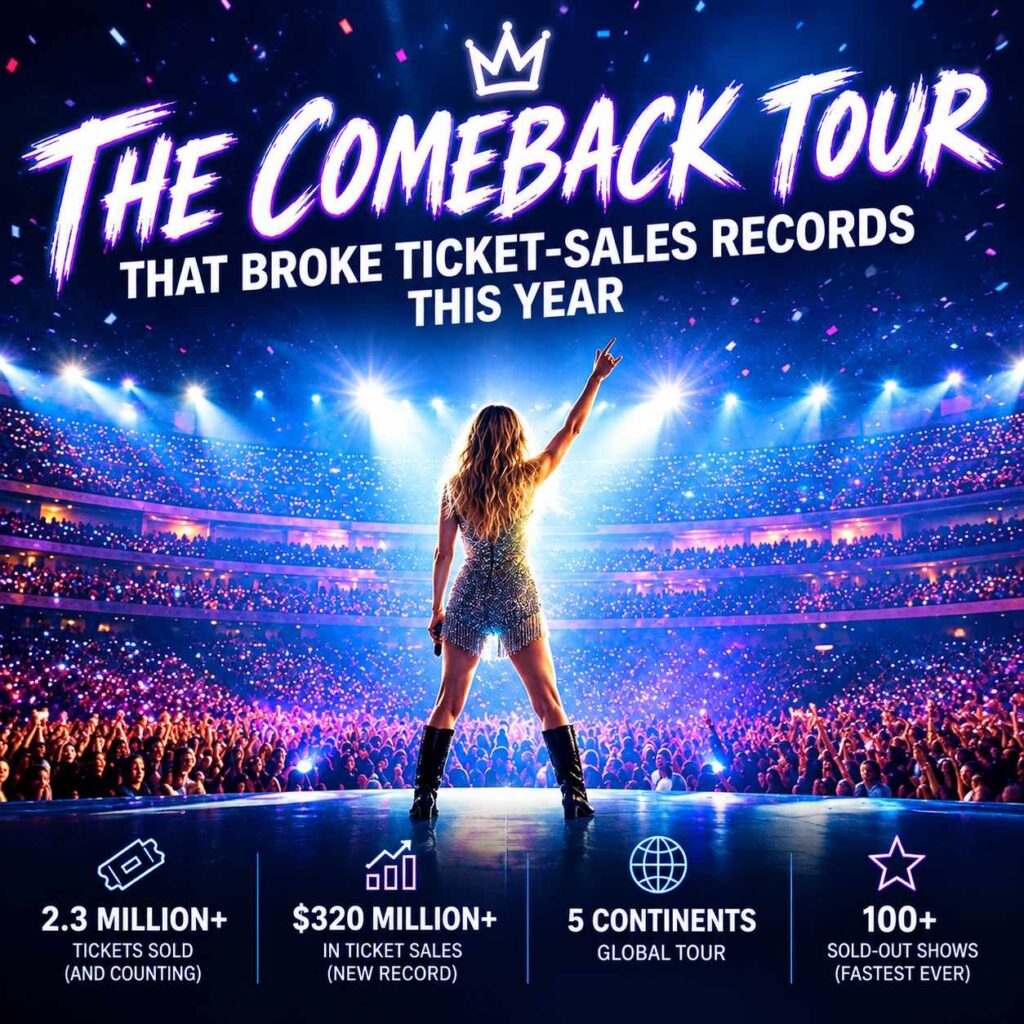
Comeback tours are a well-established feature of the music and entertainment industry, but this year’s most talked-about reunion has genuinely broken from the usual pattern, generating ticket demand significant enough to crash multiple ticketing platforms simultaneously and selling out entire stadium runs within minutes of tickets going on public sale, well beyond what even optimistic industry projections had anticipated.
Why this particular reunion generated such demand
Industry analysts point to a specific combination of factors behind the unusually intense demand, beginning with the length of the gap since the group or act last toured, which was considerably longer than is typical for reunion tours generally. This extended absence appears to have concentrated demand in a way that a more frequent touring schedule, or a shorter gap between tours, typically doesn’t produce to the same degree.
A second significant factor cited by analysts was the specific demographic makeup of the fanbase, which spans multiple generations rather than being concentrated in a single age group, as is more typical for many touring acts. This cross-generational appeal meaningfully expanded the addressable audience for the tour, with several reports of multiple generations of the same family attending shows together, a pattern that industry observers noted as unusually common for this specific reunion compared to most touring acts.
The secondary market chaos that followed
As is now fairly typical for high-demand tours of this scale, the secondary ticket resale market saw significant price inflation in the days following the initial on-sale, with some listings reportedly reaching many multiples of the original face value for premium seating and dates. This secondary market activity has reignited broader industry and regulatory conversation about ticket resale practices and the effectiveness of current measures designed to limit exactly this kind of speculative reselling.
Several consumer advocacy groups have specifically cited this tour’s resale activity as further evidence supporting calls for stronger resale price caps and more robust verification systems designed to prevent automated bulk-purchasing bots from acquiring large ticket allocations before genuine fans have a fair opportunity to purchase directly at face value, an issue that has become increasingly prominent across major tours in recent years, well beyond this specific reunion.
What it signals for the industry more broadly
Beyond the specific tour itself, industry observers have suggested this level of demand offers a useful data point in ongoing discussion about the current state of the live music and touring industry more broadly, particularly regarding the apparently growing willingness of dedicated fans to pay significantly more than historical norms for a genuinely rare, high-demand live experience, even amid broader economic pressures affecting discretionary spending in many other categories.
Whether this specific tour’s success prompts other long-dormant acts to consider their own reunion tours remains an open and widely discussed question within the industry, though several analysts have specifically cautioned that replicating this particular level of demand likely requires the same specific combination of factors — an unusually long gap since previous touring, genuine cross-generational appeal, and a fanbase with real ongoing cultural relevance — rather than being a formula reliably reproducible by any reunion tour regardless of the specific act or circumstances involved.
The economic ripple effect beyond ticket sales
Economists tracking the tour’s broader impact have noted significant secondary effects in host cities beyond ticket revenue itself, including notable spikes in hotel bookings, local restaurant reservations and short-term rental demand in the days surrounding each tour stop, a pattern that several city tourism boards have specifically cited when discussing the broader economic case for attracting major touring acts, well beyond the direct venue revenue that most initial reporting on the tour tended to focus on.
Merchandise sales have reportedly also significantly outpaced typical figures for tours of comparable scale, with several officially licensed retailers reporting selling through initial merchandise inventory within the first few tour dates, well ahead of typical restocking schedules planned around a longer touring run. This has led several retailers to specifically flag the tour as an unusually strong indicator of just how much pent-up demand had accumulated during the extended gap since the act’s previous touring cycle.
How other artists are already responding
In the weeks following the tour’s announcement and subsequent record-breaking sales, several other long-dormant acts have reportedly begun exploring their own potential reunion possibilities, according to industry sources speaking without official authorisation on behalf of the artists involved. While none of these have yet resulted in a confirmed announcement, industry analysts have specifically noted this kind of ripple effect as a fairly predictable pattern following any unusually successful reunion tour, since it demonstrates to other artists and their management teams that genuine, sustained fan demand can still exist even after years of inactivity, provided the underlying combination of factors discussed above happens to align favourably.
For now, the tour itself continues to add dates in response to overwhelming demand, with several additional stadium shows announced in markets that weren’t part of the initial tour routing, a decision organisers have specifically attributed to the sheer volume of unmet demand documented through waitlist and presale registration numbers well beyond what the original tour schedule could accommodate. Whether this expanded run maintains the same level of demand through its full duration, or whether initial enthusiasm gradually settles into a more typical pattern for the later, additional dates, remains something industry observers say they’ll be watching closely over the coming months.
For fans who missed out on the initial on-sale entirely, official resale platforms tied directly to the promoter have become the most commonly recommended route for securing tickets closer to face value, since these verified resale channels typically cap pricing at or near the original ticket cost, in contrast to the largely unregulated secondary marketplaces where prices have climbed dramatically. Industry advocates have specifically encouraged fans to check these official, verified channels regularly and persistently in the weeks and days leading right up to each individual show date, since a genuinely meaningful number of tickets do tend to become available this way as original purchasers’ plans occasionally change closer to the actual event date itself.