Fashion has always been more than clothing. It is a language without words, a quiet way of showing personality, confidence and mood. Every season brings new colours, silhouettes, fabrics and styling ideas, but the most exciting fashion trends are not always about buying something completely new. Sometimes, they are about seeing familiar pieces differently.
As we move through 2026, fashion is balancing two seemingly different ideas: individuality and practicality. Designers are exploring heritage, craftsmanship, expressive silhouettes and modern interpretations of classic clothing. Recent London Fashion Week collections have also highlighted the relationship between British heritage and contemporary design, with classic pieces being reworked through new colours, materials and proportions.
At the same time, everyday shoppers are becoming more interested in wardrobes that actually work for real life. A beautiful outfit matters, but so does comfort, versatility and the ability to wear one piece in several different ways.
So, what are the 2026 fashion trends worth knowing about? And how can you use them without completely replacing your wardrobe?
Let’s explore.
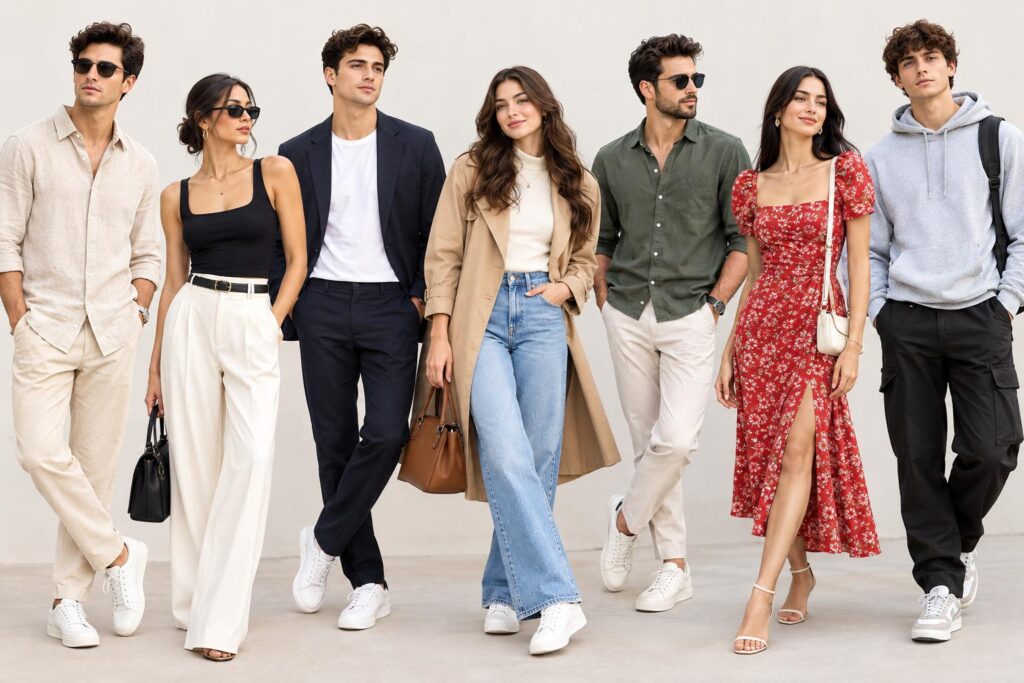
1. Fashion in 2026 Is About Personal Style
One of the most important fashion lessons is that trends should be inspiration rather than strict rules.
You do not need to wear every trend you see online. Instead, look for details that complement your existing style.
If you prefer classic clothing, you might introduce a current trend through a handbag, pair of shoes or jewellery. If your wardrobe is more experimental, you can play with dramatic shapes, unexpected colour combinations and statement pieces.
This approach also makes fashion more sustainable from a practical point of view. Instead of constantly purchasing new clothes, you can build a wardrobe around reliable foundations and update it with carefully chosen pieces.
Your personal style might be:
- Minimal and sophisticated
- Romantic and feminine
- Relaxed and casual
- Streetwear-inspired
- Vintage-inspired
- Sporty and practical
- Elegant and tailored
- Colourful and expressive
There is no single definition of being fashionable.
The best wardrobe is usually the one that feels natural when you wear it.
2. Modern Tailoring Is Having a Moment
Tailoring remains one of the easiest ways to make an outfit look polished.
Blazers, tailored trousers, waistcoats and structured coats can instantly transform a simple outfit. The key in 2026 is not necessarily traditional office tailoring. Modern tailoring is more relaxed and adaptable.
Think:
- Oversized blazers
- Relaxed trousers
- Soft tailoring
- Longline jackets
- Waistcoats worn casually
- Tailored shorts
- Coordinated suit separates
A blazer does not have to be worn with matching trousers. Try styling it with denim and a simple T-shirt for a casual weekend outfit.
For a more refined appearance, combine tailored trousers with a knit top and loafers.
The beauty of tailoring is its versatility. One good blazer can work for work, dinner, travel and social occasions.
3. British Heritage Gets a Modern Update
British fashion has always had a strong relationship with heritage clothing.
Trench coats, wool coats, knitwear, checks, structured bags and classic footwear continue to influence contemporary wardrobes. At London Fashion Week 2026, designers explored heritage alongside modern creativity, showing how traditional British references can be reinterpreted rather than simply repeated.
A heritage-inspired wardrobe does not need to look old-fashioned.
Try combining:
Classic trench coat + straight-leg jeans + trainers
or
Knit jumper + tailored trousers + loafers
or
Checked jacket + plain T-shirt + denim
The secret is contrast.
Pairing a traditional item with something contemporary keeps the outfit fresh.
4. The Return of Wearable Statement Pieces
Minimalism has dominated fashion for years, but many wardrobes are now making space for personality.
Statement fashion does not necessarily mean wearing something enormous or extremely colourful. A statement piece can be a beautifully textured jacket, sculptural handbag, distinctive shoes or an unusual piece of jewellery.
The idea is simple: allow one item to become the visual focus of your outfit.
For example:
- A dramatic coat with a simple outfit
- Bold earrings with a neutral dress
- A statement handbag with denim
- Bright shoes with an otherwise monochrome look
- A patterned skirt with a plain jumper
This styling technique makes getting dressed easier because you do not have to make every element of an outfit compete for attention.
5. Neutral Colours Still Matter
Fashion trends come and go, but neutral colours remain useful.
Black, white, cream, beige, grey, navy and brown are easy to combine and can form the foundation of a capsule wardrobe.
If you find colourful dressing difficult, start by introducing one accent shade.
For example:
Cream + brown + burgundy
Navy + white + red
Black + grey + soft pink
Beige + chocolate brown + olive
This creates a wardrobe that feels coordinated without becoming boring.
Neutral clothing also makes it easier to experiment with accessories.
6. Denim Is Becoming More Flexible
Denim remains one of the most practical fashion categories because it can be dressed up or down.
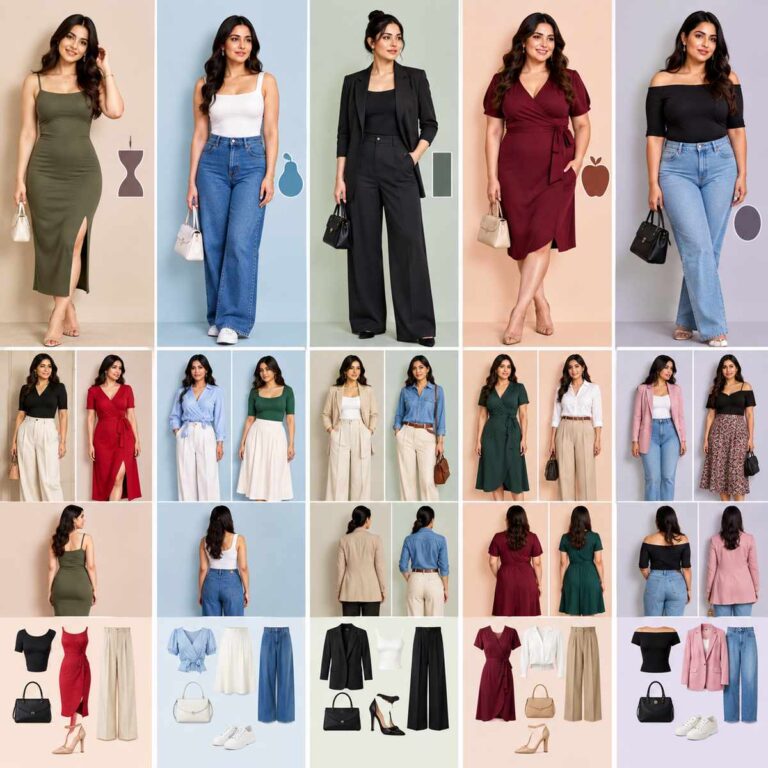
Instead of focusing only on one particular jeans shape, consider what works with your proportions and lifestyle.
Useful denim options include:
- Straight-leg jeans
- Relaxed jeans
- Wide-leg jeans
- Dark denim
- Denim jackets
- Denim skirts
- Tailored denim pieces
Dark denim can create a more polished look, while lighter washes can feel casual and relaxed.
A simple formula is:
Jeans + fitted top + structured jacket + loafers
For a more relaxed look:
Relaxed jeans + oversized knit + trainers
The most important thing is fit. A trendy pair of jeans that you dislike wearing will never become a favourite.
7. The Capsule Wardrobe Remains Relevant
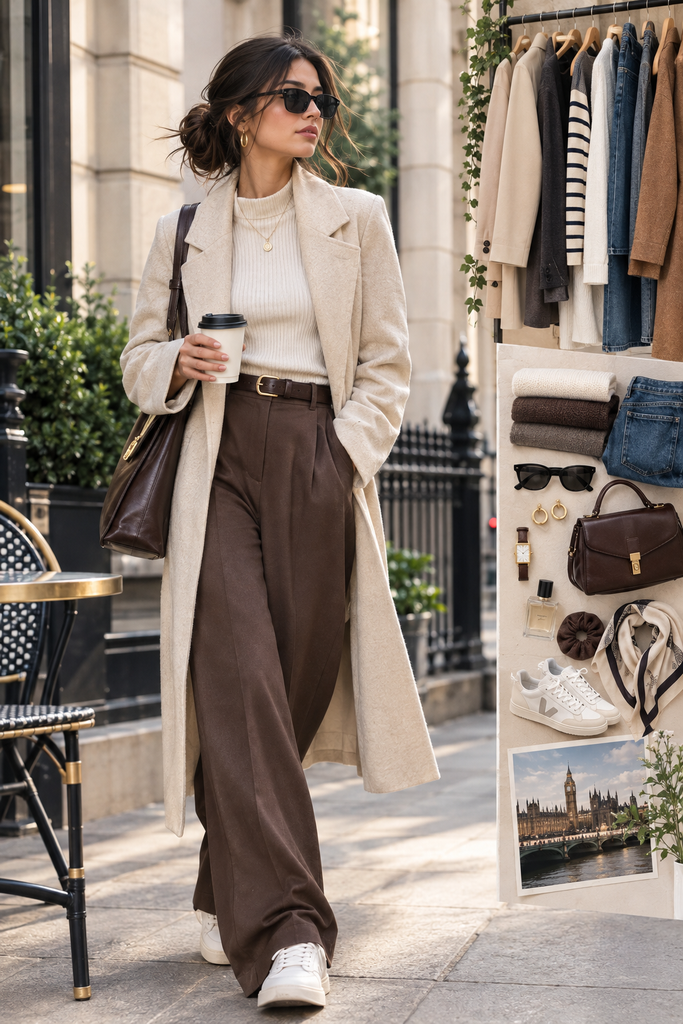
A capsule wardrobe is a collection of versatile pieces that can be combined in many different ways.
The idea is particularly useful if you often feel like you have a wardrobe full of clothes but nothing to wear.
A practical capsule wardrobe might include:
- 2–3 pairs of trousers
- 2 pairs of jeans
- 3–5 everyday tops
- 2 knit jumpers
- 1 blazer
- 1 versatile coat
- 1 casual jacket
- 1 dress
- 2 pairs of everyday shoes
- 1 smarter pair of shoes
- A few accessories
You can adjust this according to your lifestyle.
Someone working from home will need a very different wardrobe from someone attending an office every day.
The goal is not owning as little as possible.
The goal is owning pieces that you actually wear.
8. Fashion Should Work With Your Lifestyle
One mistake people make when following fashion trends is forgetting their daily routine.
Imagine buying beautiful clothes that are uncomfortable, difficult to wash or unsuitable for your work environment.
They may look good in photographs, but they will spend most of their time in your wardrobe.
Before buying something, ask:
Where will I wear this?
Can I style it with at least three things I already own?
Does it fit comfortably?
Will I still want to wear it next season?
Does it suit my lifestyle?
These questions can dramatically improve your wardrobe.
9. Accessories Can Change an Entire Outfit
Accessories are often underestimated.
A simple outfit can look completely different with a new combination of accessories.
Consider:
- Belts
- Sunglasses
- Scarves
- Watches
- Earrings
- Necklaces
- Handbags
- Hair accessories
- Hats
- Shoes
For example, a white shirt and jeans can become:
Casual: trainers + crossbody bag
Polished: loafers + structured handbag
Evening: heels + statement earrings
Relaxed: sandals + woven bag
The clothing has not changed much.
The styling has.
10. Fashion Trends and Social Media
Fashion discovery has changed dramatically.
People no longer depend only on fashion magazines and traditional catwalks. Instagram, TikTok, YouTube, Pinterest and other visual platforms influence what people discover, save and eventually buy.
Recent multi-channel search research suggests that consumers increasingly discover fashion and beauty products across several platforms rather than relying on a single search engine.
This creates both opportunity and confusion.
A trend can become popular incredibly quickly. Something may appear everywhere online for several weeks and then disappear just as quickly.
That is why personal style matters.
Use social media for inspiration, not as a list of instructions.
Save outfits you genuinely like. After a few weeks, look for patterns.
Maybe you repeatedly save oversized jackets.
Perhaps you prefer neutral colours.
Maybe you are attracted to romantic dresses.
These patterns can tell you more about your personal style than any trend report.
11. How to Shop Fashion Trends More Carefully
Fashion shopping becomes easier when you separate wanting something from needing something.
Before buying a trend-led item, consider its cost per wear.
If a £30 top is worn 15 times, its approximate cost per wear is £2.
If a £150 item is worn 50 times, it may provide more practical value over time.
This does not mean expensive clothing is automatically better. Quality varies across brands and products.
Instead, think about:
- Fabric
- Construction
- Fit
- Comfort
- Versatility
- Care requirements
- Expected frequency of wear
A wardrobe becomes more useful when every item has a purpose.
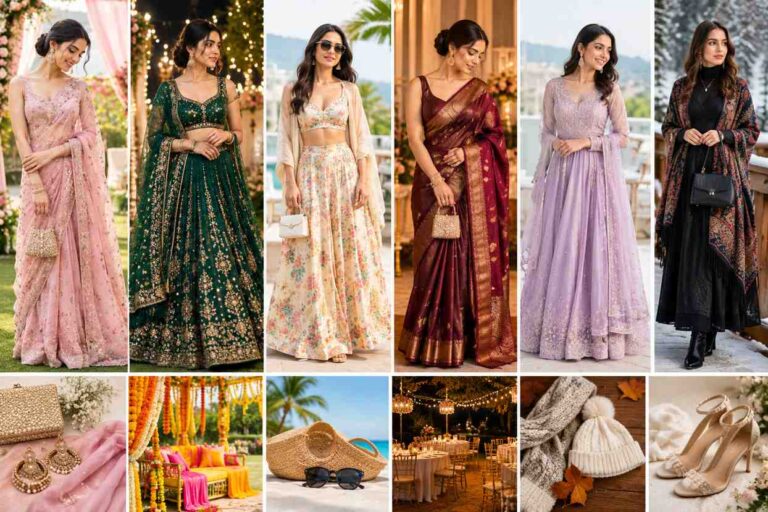
12. Seasonal Fashion Without Constant Shopping
You do not need a completely new wardrobe every season.
Instead, use seasonal styling.
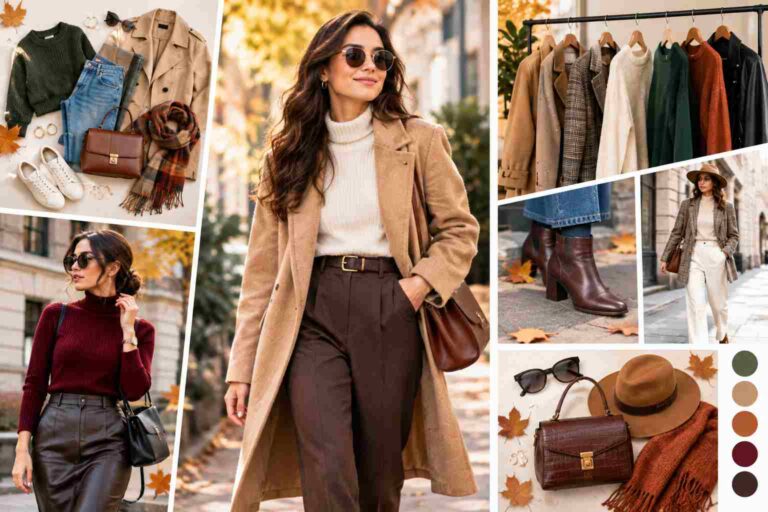
In autumn, layer existing pieces with:
- Coats
- Knitwear
- Boots
- Scarves
In spring, introduce:
- Lightweight jackets
- Loafers
- Shirts
- Lighter colours
In summer:
- Breathable fabrics
- Dresses
- Linen
- Sandals
- Lightweight trousers
In winter:
- Wool coats
- Chunky knitwear
- Boots
- Layering pieces
This allows your wardrobe to evolve naturally.
13. The Importance of Fabric
Trends often focus on appearance, but fabric determines how a garment feels and performs.
Cotton can be practical for everyday clothing. Linen is popular for warm weather because of its breathable character. Wool is useful for warmth, while denim offers durability and structure.
When shopping, read the fabric composition.
Ask yourself whether the material suits the season and your lifestyle.
A beautiful garment that feels uncomfortable will probably be worn less.
14. Fashion and Individuality
The most memorable outfits often have something personal about them.
Maybe it is a vintage watch inherited from family.
Maybe it is a favourite pair of boots.
Maybe it is a scarf purchased during a memorable trip.
Personal details make an outfit feel like yours.
Fashion does not have to be about looking exactly like everyone else online.
It can be about taking inspiration and turning it into something individual.
15. Building Your 2026 Wardrobe Step by Step
If your wardrobe needs an update, do not replace everything at once.
Start with an audit.
Remove clothes that:
- No longer fit
- Are damaged beyond practical repair
- Have not been worn for a long time
- Do not suit your current lifestyle
- You simply do not enjoy wearing
Then identify gaps.
You may discover that you already have plenty of tops but need better trousers.
Or perhaps you own many casual clothes but lack smart outfits.
Once you understand your wardrobe, shopping becomes much more focused.
Conclusion
The biggest lesson from the 2026 fashion trends is that style does not have to mean constant change.
Modern fashion is increasingly about combining personality with practicality. Tailoring, heritage-inspired pieces, versatile denim, expressive accessories and capsule wardrobe principles can all coexist.
The most useful wardrobe is not necessarily the one containing the most clothes. It is the one where individual pieces work together, fit your lifestyle and make you feel comfortable in your own skin.
Fashion changes every season.
Personal style can last for years.
And perhaps that is the most valuable trend of all.