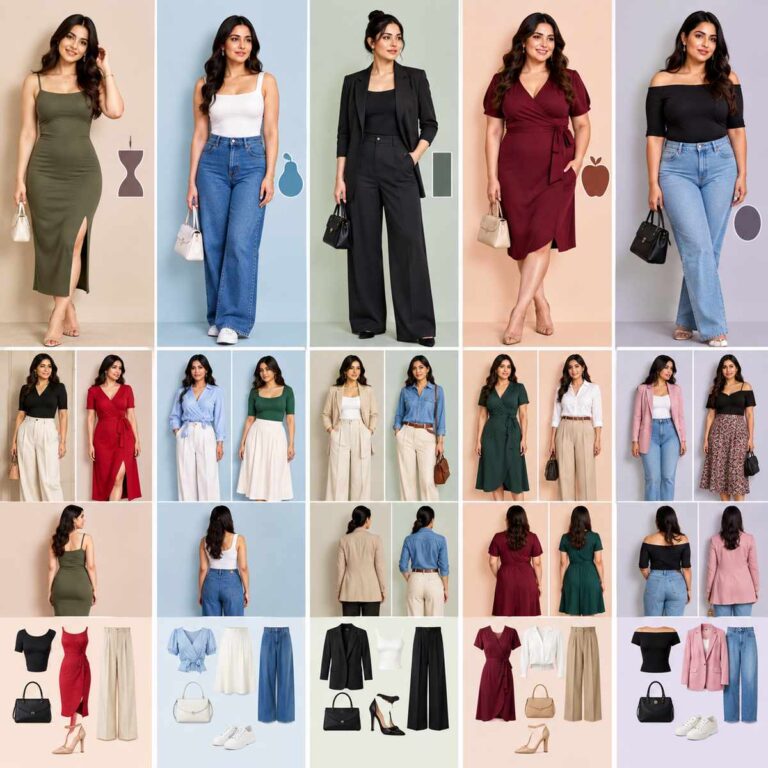
Fashion is one of the most personal ways we express ourselves, but it also has a footprint. Producing clothes uses water, energy, land and chemicals. Cheap, fast-changing trends encourage us to buy more, wear less and throw away quickly. Millions of garments end up in landfills every year, and many of them were worn only a handful of times. This is why more people are asking how they can enjoy style without harming the planet or the people who make our clothes. The answer is sustainable fashion: choosing, using and caring for clothing in ways that reduce waste, respect workers and last longer.
The good news is that you do not need to throw away your wardrobe, spend a fortune or become perfect overnight. Sustainable fashion is a journey of small, realistic decisions. This guide explains what it means, why it matters, and how to build an eco-friendly wardrobe in India step by step, from buying less and choosing better fabrics to thrifting, repairing, upcycling and donating responsibly.
What Is Sustainable Fashion?
Sustainable fashion is an approach to clothing that considers environmental and social impact at every stage: how materials are grown or made, how workers are treated, how garments are transported, how long they last and what happens to them at the end of their life.
It overlaps with several related ideas:
- Slow fashion: Buying fewer, better-quality clothes and wearing them for years.
- Ethical fashion: Fair wages and safe working conditions for the people who make clothes.
- Circular fashion: Keeping clothes in use through repair, resale, rental and recycling.
- Conscious consumption: Thinking before buying and choosing what truly adds value.
It is important to remember that no single brand or fabric is perfect. Sustainability is about making better choices where you can.
Why Sustainable Fashion Matters
The clothing industry affects the world in several ways.
Water use: Growing cotton and dyeing fabrics can require large quantities of water.
Pollution: Textile dyeing and finishing can release chemicals into rivers if not managed responsibly.
Waste: Fast fashion encourages disposal of clothes after a few wears. Many synthetic garments do not break down easily.
Microplastics: Washing synthetic fabrics like polyester and nylon can release tiny plastic fibres into waterways.
Working conditions: Low prices can sometimes mean poor wages or unsafe conditions for garment workers.
Resource use: Producing new clothes uses energy and raw materials that could be saved by wearing existing ones longer.
Choosing sustainable habits can reduce these pressures and often saves you money too.
Step 1: Start With What You Already Own
The most sustainable garment is the one already in your wardrobe. Before buying anything new, take stock.
- Empty your closet and sort. Group clothes into “wear often,” “wear sometimes,” “never wear” and “needs repair.”
- Try things on. Check fit and comfort. Keep what makes you feel good.
- Rediscover forgotten pieces. Create new outfits by mixing items in unusual ways.
- Take photos of favourite outfits to make dressing easier.
- Identify gaps. Note what you truly need, such as a plain white shirt or comfortable trousers.
- Set aside items to repair, alter, donate or resell.
This exercise reduces impulse shopping because you know exactly what you have.
Step 2: Buy Less, Choose Better
The idea of “buy less” does not mean never buying. It means being intentional.
- Use the 30-wears test. Ask yourself, “Will I wear this at least 30 times?” If not, think twice.
- Wait 48 hours. Delay non-essential purchases for two days. Often the urge fades.
- Avoid sale traps. A discount is not a saving if you do not need the item.
- Make a shopping list. Buy only what fills a real gap.
- Check compatibility. Can you make at least three outfits with this piece using items you already own?
- Prioritise quality. Look at stitching, fabric weight, seams and finishing. Well-made clothes last longer.
- Choose timeless styles that will not look outdated next season.
- Consider cost per wear. A slightly costlier item worn 100 times is cheaper than a cheap item worn three times.
Step 3: Choose Better Fabrics
Fabric choice matters for comfort, durability and environmental impact. No fabric is perfect, but some are generally better options.
Natural and plant-based options:
- Organic cotton: Grown without synthetic pesticides. It usually costs more but can be better for farmers and soil.
- Handloom cotton and khadi: Traditional Indian fabrics that support artisans and often use less energy.
- Linen (flax): Durable, breathable and requires relatively fewer resources to grow.
- Hemp: Strong, versatile and increasingly available.
- Jute blends: Useful for bags and accessories.
- Wool and silk: Natural fibres that can last long, though ethical sourcing matters.
Regenerated fibres:
- Lyocell (Tencel) and modal: Made from wood pulp through processes that are often more controlled. Look for responsibly sourced labels.
Recycled materials:
- Recycled cotton or recycled polyester: These can reduce the demand for virgin resources. Note that recycled polyester still sheds microplastics.
Fabrics to think twice about:
- Cheap synthetic blends that pill quickly
- Very thin, low-quality fabrics that tear after few washes
- Fabrics with strong chemical smells
Read labels and choose fibres that suit your climate and lifestyle.
Step 4: Support Indian Artisans and Local Makers
India has a rich textile heritage: Banarasi, Chanderi, Kanjeevaram, Ikat, Bandhani, Kalamkari, block printing, Kantha, Phulkari, Chikankari, Bagru, Ajrakh and many more. Choosing these crafts is one of the most meaningful ways to practise sustainable fashion.
- Buy directly from craft cooperatives, weaver clusters and reputable handloom stores.
- Look for authentic labels such as the Handloom Mark, though also check with sellers about origin.
- Pay fair prices. Handmade textiles take time, and the value reflects skill.
- Support local tailors rather than mass-produced garments. Custom fit reduces returns and waste.
- Learn about the craft. Understanding the process increases appreciation and care.
Handloom garments often improve with age and become long-lasting favourites.
Step 5: Explore Thrift, Resale and Rental
Second-hand fashion extends the life of garments and reduces demand for new production.
Thrift stores and flea markets: Many cities have second-hand markets and charity shops. Look for quality fabrics and classic cuts.
Online resale platforms: You can buy and sell pre-loved clothes, shoes and accessories. Check photos, measurements and seller ratings.
Clothes swaps: Organise a swap with friends, colleagues or neighbours. Everyone brings items they no longer wear and takes home something new to them.
Rental services: For weddings, parties and special occasions, renting outfits can be economical and sustainable. Check hygiene practices and return terms.
Tips for thrifting:
- Inspect seams, zips, buttons and fabric for damage.
- Smell for mustiness.
- Try on when possible.
- Wash or dry-clean items before wearing.
- Look beyond size labels and check measurements.
- Don’t buy simply because it is cheap.
Step 6: Take Care of Your Clothes
Extending the life of clothes is one of the most powerful sustainability habits.
- Read care labels and follow them.
- Wash less often. Air clothes after wearing and wash only when needed. Jeans, jackets and sweaters do not need washing after every wear.
- Wash in cold or lukewarm water. It saves energy and protects colours.
- Use a full load. Avoid running the machine for a few items.
- Use gentle detergent and consider natural or eco-friendly options.
- Wash delicate synthetic items in a laundry bag designed to catch microfibres.
- Dry in the shade or sun. Air-drying saves energy and reduces wear. Avoid harsh direct sunlight for dark or delicate clothes.
- Iron carefully and at the correct temperature.
- Store properly. Use good hangers for jackets and fold knitwear.
- Treat stains promptly to avoid permanent marks.
- Protect from moths and insects with neem leaves or natural repellents.
Step 7: Repair, Alter and Upcycle
Fixing clothes is an old Indian tradition that deserves a comeback.
Basic repairs you can learn:
- Sewing on a button
- Fixing a loose hem
- Mending small tears
- Replacing elastic
Use a local tailor for:
- Adjusting fit, length or waist
- Replacing zips
- Re-lining coats or jackets
- Repairing seams
Upcycling ideas:
- Turn an old saree into a dress, dupatta, cushion covers or a tote bag.
- Convert worn jeans into shorts, a skirt or a denim bag.
- Use old T-shirts as cleaning cloths.
- Transform a plain kurta with embroidery, lace or block printing.
- Use fabric scraps for patchwork, hair accessories or reusable gift bags.
- Convert old dupattas into scarves or table runners.
Creative reuse gives clothes a second life and adds personality.
Step 8: Donate and Discard Responsibly
When you truly no longer need a garment:
- Resell good-quality items online or at consignment stores.
- Donate clean, wearable clothes to charities, shelters or community drives that you trust.
- Give to friends or family who may enjoy them.
- Repurpose damaged clothing into rags, stuffing or craft material.
- Look for textile recycling programmes in your city where available.
- Avoid dumping clothes in general waste if they can be reused.
Be thoughtful about donations. Give items that are in good condition, and check what the organisation actually needs.
Step 9: Choose Brands Wisely
Perfect transparency is rare, but you can make informed choices.
- Check for information. Brands that explain where and how their clothes are made are usually more accountable.
- Look for credible certifications such as organic cotton standards, fair trade labels or responsible textile certifications, while remembering that certifications vary.
- Be careful of greenwashing. Vague words like “eco” or “green” without details may be marketing.
- Prefer brands that offer repairs, take-back schemes or durable products.
- Support small businesses and ethical makers when possible.
- Ask questions. Message brands about materials, working conditions and packaging.
Step 10: Build a Sustainable Capsule Wardrobe
A capsule wardrobe supports sustainability by focusing on versatile, long-lasting pieces.
A simple sustainable starter list:
- Two plain handloom cotton kurtas or shirts
- One white shirt in organic cotton or linen
- One pair of good-quality jeans
- One pair of tailored trousers
- One versatile dress or co-ord set
- One woollen sweater or cardigan
- One jacket or shrug
- One handloom saree or dupatta
- Comfortable, repairable footwear
- Reusable cloth bag
Choose colours that mix and match, and add accessories for variety.
Everyday Habits That Make a Difference
- Carry a reusable bag when shopping.
- Say no to unnecessary packaging.
- Borrow clothes for one-time events.
- Share clothes with siblings or friends.
- Repair before replacing.
- Follow accounts that promote mindful fashion instead of constant hauls.
- Unsubscribe from marketing emails that tempt you to shop.
- Track how often you wear items and celebrate low-cost outfits.
- Educate yourself gradually without guilt.
Common Sustainable Fashion Mistakes
- Throwing away everything and rebuying “eco” clothes. Use what you have first.
- Believing expensive means sustainable. Price does not guarantee ethical practices.
- Trusting labels blindly. Research claims.
- Buying too many “sustainable” items. Overconsumption is still overconsumption.
- Ignoring care. Poor washing and storage shorten a garment’s life.
- Feeling guilty or perfectionist. Progress matters more than perfection.
- Dismissing second-hand fashion because of stigma. It is smart and stylish.
Frequently Asked Questions
Is sustainable fashion expensive?
It can be costlier upfront, but buying fewer, durable pieces, thrifting, swapping and repairing often reduces total spending over time.
Is cotton eco-friendly?
Cotton is natural and breathable, but conventional cotton uses lots of water and pesticides. Organic, handloom and responsibly sourced cotton are generally better choices.
How can I tell if a brand is really sustainable?
Look for transparency about materials and factories, credible certifications, durable products and repair or recycling programmes. Be careful with vague claims.
Are synthetic fabrics always bad?
They are durable and useful in some cases, but they shed microplastics and are made from fossil fuels. Choose them sparingly, wash carefully and prefer recycled options when needed.
Where can I donate old clothes in India?
Many local NGOs, community centres and charities accept clean, wearable clothes. Contact them first to understand their requirements.
Can I be stylish and sustainable?
Absolutely. Timeless pieces, handloom textiles, thrifted finds and creative styling can look wonderful.
Final Thoughts
Sustainable fashion is not about giving up style. It is about making thoughtful choices that respect your budget, your values and the planet. Begin by loving and using what you own, buy less but better, choose responsible fabrics, support Indian artisans, explore second-hand options, care for and repair your clothes, and pass on items responsibly.
Choose one or two habits to start this week, perhaps washing less often or repairing an old favourite. Small steps, repeated by many people, create meaningful change, and your wardrobe will become more personal, more useful and more sustainable with every step.